The last time a total solar eclipse was visible on the Spanish mainland was in April 1912 — just two days after ‘Titanic’ sank. Kurt Aguilar sheds a little light on the subject…
That simple fact helps explain the sense of anticipation building in Valencia ahead of Aug. 12, when the city will experience something no one alive here has ever seen. Just before sunset, the moon will pass directly in front of the sun, plunging parts of the city into brief twilight as day turns momentarily to night.
Valencia lies directly in the path of totality, making it one of the best places in Europe to witness the rare phenomenon.
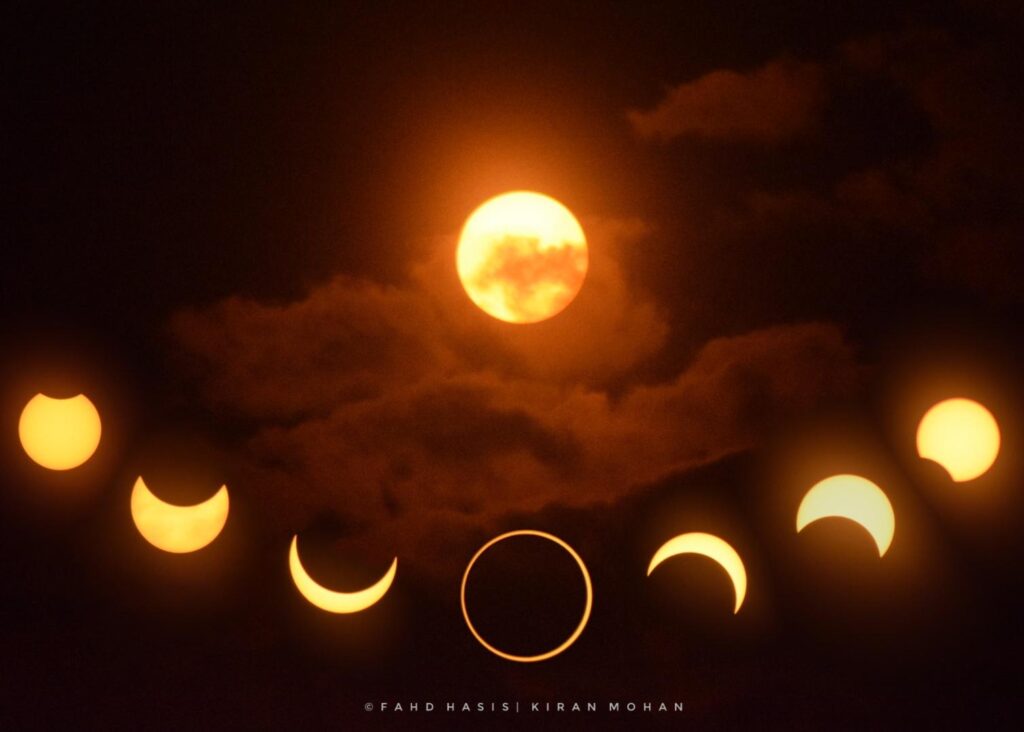
In the city, the eclipse will unfold slowly over more than an hour. The moon begins to obscure the sun at 19:38, before totality arrives at 20:33, when the sun will be completely hidden for around a minute. The event ends shortly after 21:00, with exact timings varying slightly across the region.
Because the sun will be low on the western horizon, location matters. In a city of mid-rise buildings and narrow streets, clear sightlines will be key.
“Anywhere with an unobstructed view to the west will work,” said Dr Fernando Ballesteros, an astronomer at the University of Valencia. Rooftop terraces, elevated viewpoints, large open spaces and the city’s beaches are all strong candidates, he said.
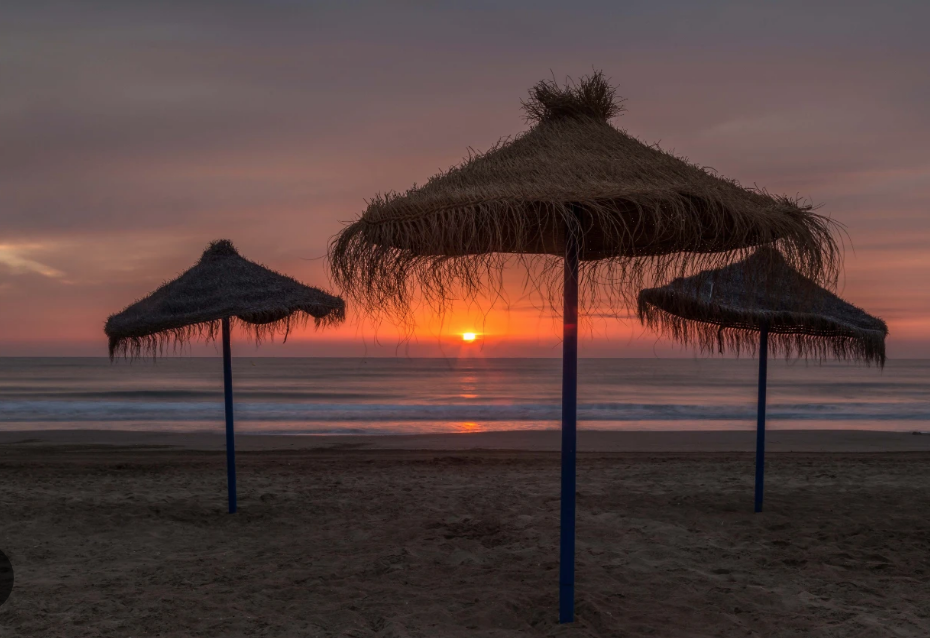
For many residents, Malvarrosa and Patacona beaches are expected to become informal gathering points, offering uninterrupted views across the sea as the sky darkens. The port area and other open waterfront spaces may also draw crowds.
Ballesteros stressed that certified solar eclipse glasses, carrying the ISO 12312-2 safety rating, are essential during most of the event.
“Only at the moment of totality is it safe to observe the eclipse with the naked eye,” he said. “As soon as the sun begins to reappear, the glasses must go back on.”
The same protection is required when viewing the eclipse through binoculars or telescopes.
Valencia is a great spot to see the eclipse
Valencia is expected to attract visitors from across Spain and abroad, as the eclipse will be fully visible in only a handful of densely populated areas worldwide. Elsewhere, it can be seen mainly in remote parts of Siberia, Greenland and a narrow sliver of northern Portugal.
The tourism impact is already being felt. Airbnb reports that searches for accommodation along the eclipse’s path have surged this year, and some hotels in the region have raised prices or introduced minimum stays around the event.
Across Spain, eclipse-related festivals, guided viewings and astronomy tours are taking shape. In Valencia, however, plans remain less formal.
The city’s tourism office has said it is exploring astronomy routes, talks and guided observations, but as of late December it had announced no confirmed public viewing events. Several businesses with rooftop terraces said they were considering eclipse-related plans but would not finalise details until closer to the date.
That may not matter. For many in Valencia, the appeal lies in the simplicity of the moment: a warm August evening, the Mediterranean horizon, and a minute of shared silence as the sky briefly changes.
And if you miss it, there is a consolation. Another total solar eclipse will pass over parts of Spain on Aug. 2, 2027 — though Valencia will not be directly in its path.
Where to watch the eclipse in Valencia
Because the sun will be low on the western horizon, clear sightlines matter more than altitude. You don’t need a mountain — you need space.
Best bets:
- Malvarrosa Beach
Wide, flat, and facing west over the sea. Expect crowds, cameras, kids, dogs, and a slightly hushed “is it happening yet?” energy around 20:30. - Patacona
Marginally quieter than Malvarrosa, with the same uninterrupted horizon. Good option if you like a bit of elbow room. - The Port and Marina area
Open sightlines, fewer tall buildings, and plenty of places to linger before and after sunset. - Rooftop terraces
If you’re lucky enough to have access to one with a west-facing view, you’re golden. Check sightlines in advance — that neighbour’s extra floor may ruin everything. - Large open spaces
Car parks, esplanades and wide promenades can work surprisingly well if buildings don’t intrude on the horizon.
What to bring (and what not to do)
Do bring:
- Certified solar eclipse glasses with ISO 12312-2 rating
- Water — August evenings are still hot
- A watch or phone with the correct local timing
- A bit of patience — the build-up is slow, the payoff is brief
Don’t:
- Look directly at the sun without protection before or after totality
- Use sunglasses, smoked glass, phone screens or camera filters as substitutes
- Assume you can “just glance quickly” — eye damage is cumulative and unforgiving
- Leave it to the last minute to find glasses; they sell out fast
Can I take photos?
Yes — but with limits.
You can photograph the partial phases only with proper solar filters fitted to cameras or lenses. During totality (around one minute at 20:33), you can remove filters briefly to capture the corona — but timing is tight and most casual photographers miss it.
Honestly? Take one photo, then put the phone down. This is not a repeatable moment.
Expert advice
“Only at the moment of totality, when the moon completely covers the sun, is it safe to observe the eclipse with the naked eye,” said Dr Fernando Ballesteros, an astronomer at the University of Valencia. “As soon as the sun begins to reappear, the glasses must go back on.”
You’ll need the same protection when viewing through binoculars or telescopes.
A Valencia moment
There will be no fireworks, no countdown clock, and probably no official fanfare. Instead, Valencia will do what it does best: gather quietly.
People will drift onto the sand with folding chairs and beers. Conversations will tail off. The temperature will drop slightly. Birds may go quiet. For a minute, the Mediterranean sky will look wrong — and unforgettable.
If you miss it, another total solar eclipse will pass over parts of Spain on Aug. 2, 2027. But this one belongs to Valencia.