Local author Maya Middlemiss on her new guide for remote jobseekers – and why the timing couldn’t be better…
I’m writing this from my home office in Valencia province, where I’ve lived for over a decade. Outside, it’s January but the sun is shining. Later I might take a break go for a walk, and tonight we’ll enjoy a family meal, before my daughter starts back at work teaching English to Spanish kids later in the week. The ability to work remotely from Valencia gives me an enviable lifestyle.
This life exists because of remote work. And I’m far from alone.
Valencia’s Quiet Revolution
Something remarkable has happened to this city over the past few years. Spain recently came #1 in the world for digital nomads, and Valencia has emerged as one of the most popular destinations within that – consistently appearing in the top five cities globally for remote workers.
The reasons are obvious to anyone who lives here: the cost of living remains manageable (especially compared to Barcelona or Madrid), the weather is cold right now but spring is just around the corner, and there’s a quality of life that’s hard to replicate elsewhere. We have beaches and bike lanes, a thriving food scene, and increasingly good digital infrastructure. The City of Arts and Sciences looks like something from a science fiction film (and it’s been in a few!), but the coworking spaces popping up around it are very much grounded in the present.
Walk into any café in Ruzafa or El Carmen on a weekday morning and you’ll hear half a dozen languages, see laptops open on every other table, and witness the quiet reality of how work is changing. Valencia has become a magnet for what some call “slowmads” – remote workers who aren’t just passing through, but building lives here.
The Gap Between Attraction and Access
But here’s what troubles me: for every person successfully working remotely from Valencia, there are dozens more who want this life and can’t figure out how to get it.
I run Remote Work Europe, a community of thousands of location-independent professionals across the continent. Over the years, I’ve had countless conversations with people who dream of making the move – or who’ve already arrived in Spain and are desperately trying to find remote work to sustain themselves here.
They apply to job after job. They hear nothing back. They’re talented, qualified, experienced… and completely invisible to hiring managers.
The problem isn’t their skills. It’s that they don’t know how to show they’re ready to work remotely. And in 2026, simply saying “I’m self-motivated and good with Zoom” doesn’t cut it anymore.
Why Spanish Business Culture Makes This Harder
Let me be honest about something: Spain is a complicated place to talk about remote work.
On one hand, the country has some of the most progressive remote work legislation in Europe. Royal Decree-Law 28/2020 established clear frameworks, updated again in late 2025 with stronger protections for workers – mandatory written agreements, employer obligations to cover equipment and electricity costs, strengthened rights to disconnect. The digital nomad visa introduced in 2023 was a clear signal that Spain wants international remote workers.
On the other hand, traditional Spanish business culture can be remarkably resistant to change. Hierarchy matters. Presence matters. The long lunch might be dying out in practice, but the cultural expectation that work happens in an office, with your boss able to see you, runs deep.
The statistics tell the story: while one in five Spanish job ads now offer remote or hybrid work – ahead of the UK and France – only about 15% of Spanish workers are actually working remotely. Among companies that could offer remote work but don’t, two-thirds can’t even articulate why. It’s just… not how things are done.
This creates a strange situation. Valencia is full of remote workers, but many of them work for companies based elsewhere – in the UK, Germany, the US, or globally distributed startups with no headquarters at all. Breaking into remote work often means looking beyond Spain’s borders, which brings its own challenges.
What Hiring Managers Actually Want
After ten years of reporting on distributed work, interviewing remote team leaders, and watching hiring patterns evolve, I’ve developed a clear picture of what separates successful remote candidates from the rest.
It’s not about claiming you’re “self-motivated” or “a great communicator.” Everyone says that. Hiring managers have learned to tune it out.
What they’re actually looking for is evidence. Can you demonstrate that you’ve worked effectively without supervision? Do you understand asynchronous communication – the art of writing things down clearly so colleagues in different time zones can act without waiting for a meeting? Have you thought about how you’ll contribute to team culture when you’re not sharing an office?
These questions might sound simple, but most candidates can’t answer them convincingly. They format their CVs for traditional roles. Their LinkedIn profiles say nothing about remote capabilities. In interviews, they talk about what they’ve done, not how they did it in ways that translate to distributed work.
This is the gap I wanted to address.
The 5Cs Framework
A few years ago, working with distributed teams and consulting for organisations trying to make remote work sustainable, I developed something I call the 5Cs framework. It identifies the five areas that determine whether remote work actually works:
- Culture – Belonging beyond distance
- Communication – The heartbeat of distributed work
- Console – Your tools, systems, and digital workspace
- Collaboration – Moving from crossed wires to shared wins
- Connection – The human glue that holds remote teams together
I originally built this to help organisations diagnose and improve their remote operations. But I kept realising that the same framework applies to individuals. If you want to find a remote role, you need to demonstrate competence in all five areas. If you want to succeed once you secure the job, you need to actively develop them.
My new book, Remote Readiness for Jobseekers: Get Hired and Build a Sustainable Remote Career, takes the 5Cs and flips them for individuals. Each chapter walks through what employers are looking for, how to demonstrate it in your application materials, and how to continue developing these capabilities throughout your career.
Not Just Getting Hired – Staying Hired
Here’s something people don’t talk about enough: landing a remote job is only half the battle.
I’ve seen plenty of people secure remote roles and then struggle. They feel isolated. Miss social cues. Don’t know how to make themselves visible to leadership without being physically present. Burn out because the boundaries between work and life dissolve.
Working from Valencia – or anywhere – sounds idyllic, until you’re lonely, overlooked for promotion, and checking Slack at midnight because you’re paranoid about being seen as a unproductive or not a team player.
The book addresses this too. It’s not just about getting through the door; it’s about building a remote career that’s actually sustainable. The clue is in the title.
A Crossroads Moment
We’re at an interesting inflection point for remote work globally. The pandemic proved that distributed work is possible at scale. But now we’re seeing a backlash – big companies demanding return to office, CEOs who never believed in remote work using any excuse to pull people back.
At the same time, the data consistently shows that workers want flexibility. And the best talent – the people companies most want to hire – increasingly expect it.
Spain sits at a fascinating intersection of these trends. Progressive legislation. Traditional culture. An influx of international remote workers changing the character of cities like Valencia. Companies that could embrace distributed work but don’t quite know how.
For jobseekers, this creates both challenges and opportunities. The roles are out there – but you need to know how to find them and how to stand out when you apply.
Free Webinar: Get A Remote Job in 2026
To mark the book launch, I’m running a free online session on Wednesday 14th January at 1pm CET where I’ll dig into all of this – the current remote job market, what’s changed, and practical strategies for getting noticed.
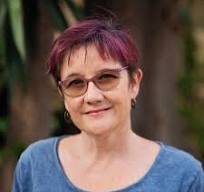
My colleague Diana Berryman is joining me, and we’ll leave plenty of time for questions. Whether you’re actively job hunting, considering a career change, or just curious about whether remote work could work for you, you’re welcome to join.
We’re also running a book review competition – anyone who grabs a copy and leaves an honest review goes into a draw for a prize worth €249.
Register here: remoteworkeurope.eu/insights/new-remote-job-2026
This Life Is Possible
I’m not going to pretend remote work is for everyone, or that it’s easy. You need discipline, self-awareness, and a willingness to work differently than you might have been taught.
But for those of us who’ve figured it out – who’ve built lives in Valencia or Málaga or the Canary Islands or tiny villages in the mountains, while maintaining careers that once would have required living in expensive, crowded cities – it’s been transformative.
Every week I meet people in this community who’ve made the same leap. Digital nomads who settled down. Office workers who negotiated remote arrangements. Freelancers who found the stability of employment without sacrificing their location independence. Parents who wanted to raise their kids somewhere with space and sunshine and a different pace of life.
If that’s what you want, I hope this book helps you get there.
• Buy ‘Remote Readiness for Jobseekers: Get Hired and Build a Sustainable Remote Career’ at remoteworkeurope.eu/buyrrjs
• Free webinar – Get A Remote Job In 2026: Wednesday 14th January, 1pm CET. Register here
• Maya Middlemiss is a British author and journalist based in Valencia province. She is the founder of Remote Work Europe and author of several books on distributed work, including the Healthy Happy Homeworking series.