
Amanda Simms struggled to find English-language dementia support when her mother became ill in Valencia. Now she is building a community to help other families feel less alone. By Eugene Costello
For a couple of hours, Amanda Simms’s mother did not know who her daughter was.
It happened only once. Later that day, recognition returned, and her mother knew her until the end of her life. But Amanda remembers the helplessness of that morning. With carers downstairs looking after her mum, she went upstairs and turned to something she understood.
“What I do know how to do is start a business,” she says.
She posted an appeal on Facebook, asking whether anyone would be interested in helping her build a support network. It brought her into contact with people who wanted to help and became a turning point in the development of the Simms Community Impact Foundation, or SCIF.
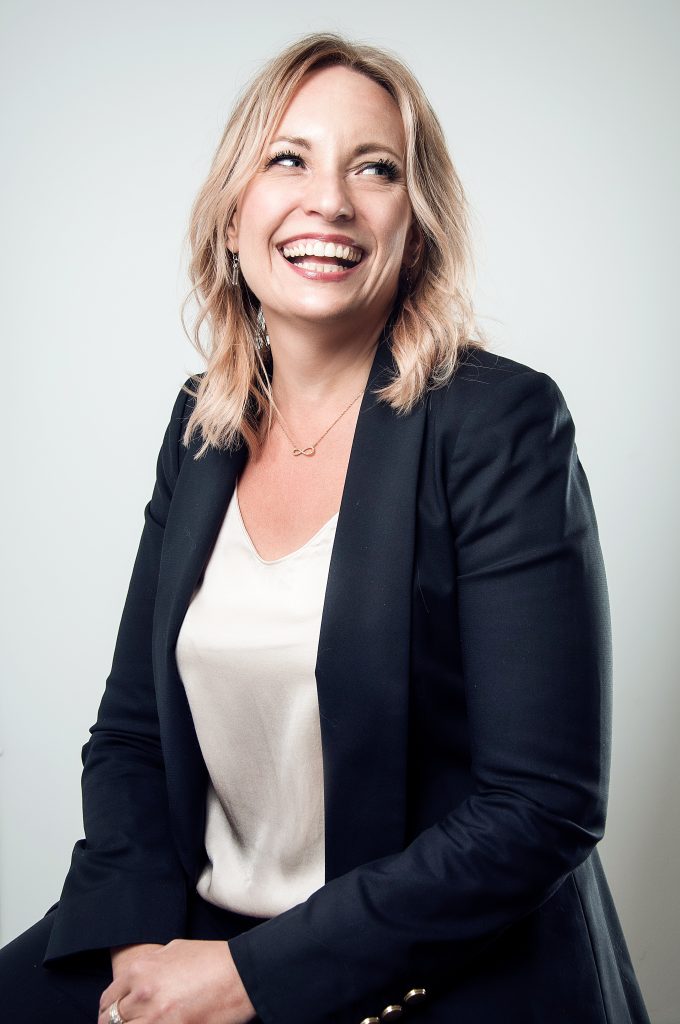
The foundation grew from a deeply personal experience: caring for someone with Alzheimer’s while trying to navigate unfamiliar services in a language that was adequate for everyday life but suddenly fell short.
Amanda is Canadian, with British citizenship through her mother. Her mum had chosen to retire to Olvera, an Andalusian town near Ronda, drawn by the food, language, culture and people. She wanted to live among Spanish neighbours and make Spain her home.
Amanda was living in Madrid when she began to suspect something was wrong. She decided they needed to be closer together. Valencia offered the possibility of a home with room for them both, along with her mother’s dog and Amanda’s cat.
Her mother moved in with her and was diagnosed with Alzheimer’s soon afterwards. Looking back, Amanda believes the illness had been developing for some time: by the time of the diagnosis, her mother could no longer understand what she was being told.
Alongside the emotional shock came the practical demands of caring. Amanda’s Spanish had been sufficient for shopping, restaurants and taxis. Appointments with neurologists and conversations in hospitals required something very different.
“My Spanish was nowhere near good enough for what I needed to then go through,” she says.
When she sought help, she struggled to find accessible English-language dementia support in Valencia that met their needs. That experience, she stresses, should not be taken to mean that the city has no dementia services. What she could not find was the support that would work for their particular circumstances.
Her mother, meanwhile, had ideas of her own. She had studied theology and trained towards becoming a Church of England priest, and had long wanted to contribute to her community. Mother and daughter talked about creating a social group for people who needed companionship and support.
“She wanted to provide that support without realising she was the one that needed it the most herself,” Amanda says.
Those conversations gave her mother pleasure. They also helped shape the foundation’s purpose. After her mum died, people asked Amanda whether she still wanted to continue.
“I want to do it in her honour,” she says. “And I want to also be able to provide people with the help that I wasn’t able to get.”
Much of that help begins with something as ordinary as meeting for coffee.
SCIF’s events are open to everyone, with an understanding that some people attending may be living with dementia. Amanda wants a social environment where they can enjoy themselves and where the people accompanying them can relax, too.
She knows how much difference that understanding makes. When she took her mother somewhere people knew her and understood her condition, Amanda could step back while her mum chatted. Elsewhere, she found herself constantly managing conversations, trying to prevent misunderstandings from turning into confrontation.
An outing intended to offer a break could become another hour of vigilance.
The foundation currently organises coffee meetups in Valencia city and in Picassent and Torrent. Amanda and her team are reviewing the arrangements for 2027, with the aim of maintaining at least one weekly city-centre gathering and building a stronger community around it.

Bingo and film events are also part of the programme being developed. The Bingo night takes place on 13 November, and the Christmas film afternoon will be on 2 December. Plans for next year include monthly film afternoons and a retreat for carers, combining a break from daily responsibilities with practical skills they can use when caring for loved ones at home.
For now, Amanda is personally covering foundation costs, while her business, Simms & Associates, contributes staff time. Employees can devote part of their working week to SCIF’s activities.
The aim over the next two years is for the foundation to become independently funded and less reliant on that staff support. External fundraising is already part of the effort to build that independence.
SCIF has also helped families find care workers, including a UK-based family in recent months. Amanda hopes the organisation will grow, giving more people access to support as their circumstances change.
Her own life is changing, too. She lives in a restored fisherman’s house in Cabanyal, which she renovated with her mother’s help. Following her mother’s death, she has been grieving while rediscovering friendships, interests and the small decisions that caring had pushed into the background.
Even grocery shopping felt unfamiliar at first. For years, she had chosen food according to what might tempt her mother to eat. Suddenly, she found herself asking what she wanted.
Her memories of those years include laughter as well as difficulty. In her final year, her mother sometimes seemed more youthful, playful and willing to enjoy herself than Amanda had seen before.
And she remained clear about one preference. When Amanda’s sister suggested they return to Britain, Amanda put the idea to her mum.
“She said, ‘You can if you want. I like the weather here better.’”
Spain was home. Through SCIF, Amanda wants to help other families find the support they need to keep enjoying the lives they have made here.